Introduction to Sourdough Bread
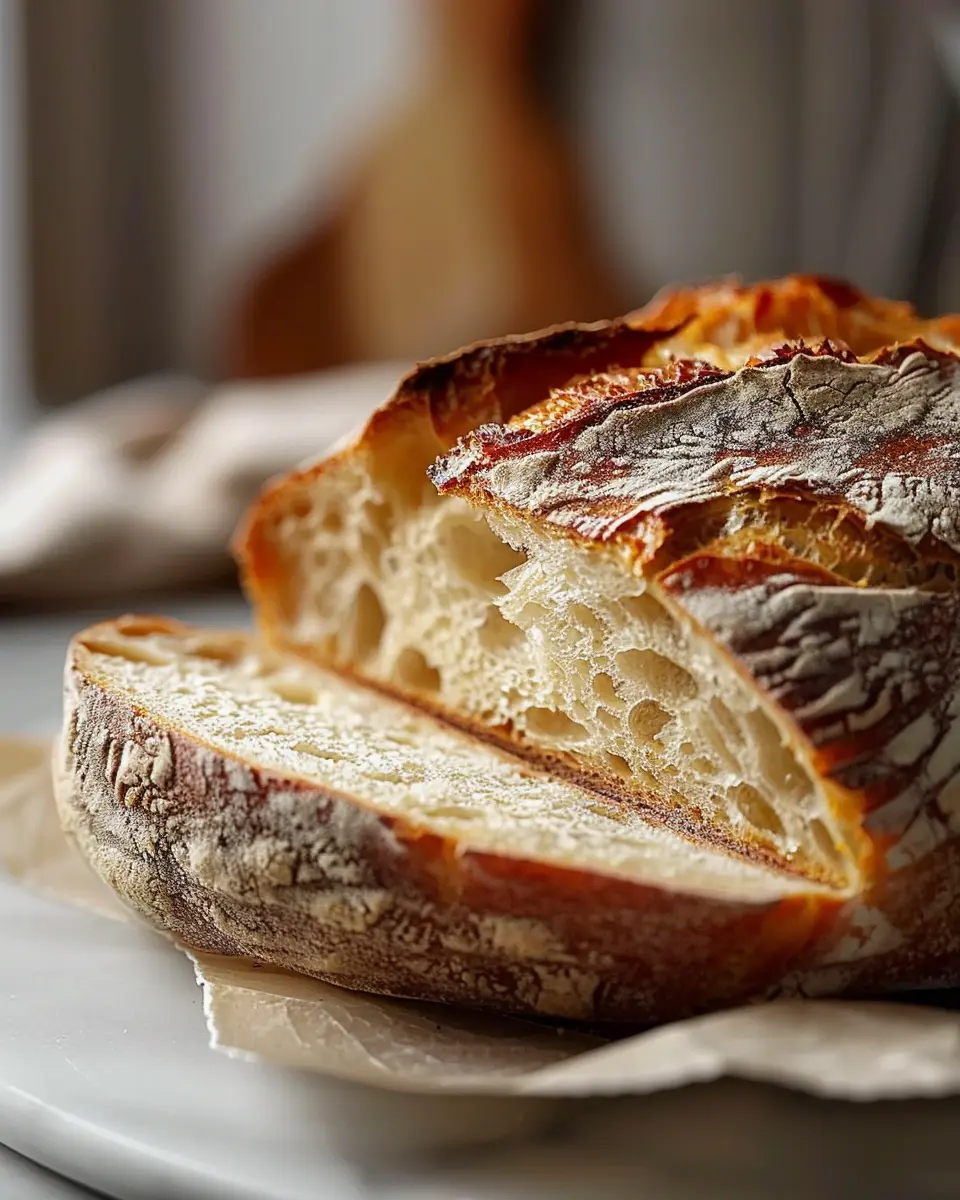
Sourdough bread has swept across kitchens and cafes, becoming a beloved staple among young professionals. But what’s behind its surging popularity? The answer lies in a delightful combination of flavor, health benefits, and the joy of baking. Unlike conventional bread, sourdough undergoes a natural fermentation process, which not only enhances its taste but also makes it easier on the digestive system. This transformation comes from the wild yeast and bacteria present in sourdough starter, creating a unique flavor profile that many find irresistible.
The art of making sourdough can seem daunting at first, but it’s incredibly rewarding. Many young professionals are turning to baking as a creative outlet amid their busy lives. It’s more than just food preparation—it’s a therapeutic process that encourages mindfulness and relaxation. A simple walk through the steps of bread-making allows individuals to unplug from technology and reconnect with a tactile, rewarding activity. Plus, the aroma of freshly baked sourdough is hard to beat!
The Health Aspect of Sourdough Bread
Besides the fantastic flavor, many are drawn to sourdough for its health benefits. Studies suggest that sourdough fermentation can decrease phytates in grains, making nutrients more bioavailable and easier to absorb. If you’re curious about the science, this research from the Journal of Food Science dives deeper into how sourdough interacts with our gut health. Additionally, those who experience issues with gluten might find sourdough easier to tolerate than typical wheat bread, though it’s still important to consult with a healthcare provider.
As a plus, sourdough can even be a fun conversation starter. Imagine sharing a slice of homemade sourdough with friends at a picnic, discussing your latest baking adventures. It’s an enjoyable way to create connections while savoring something you’ve crafted yourself.
In a world where convenience often trumps quality, embracing the slow food movement through sourdough baking not only brings satisfaction but emphasizes the importance of wholesome ingredients. So, whether you’re a baking novice or a seasoned pro, jump into the world of sourdough bread—it’s a delicious journey waiting for you to explore!
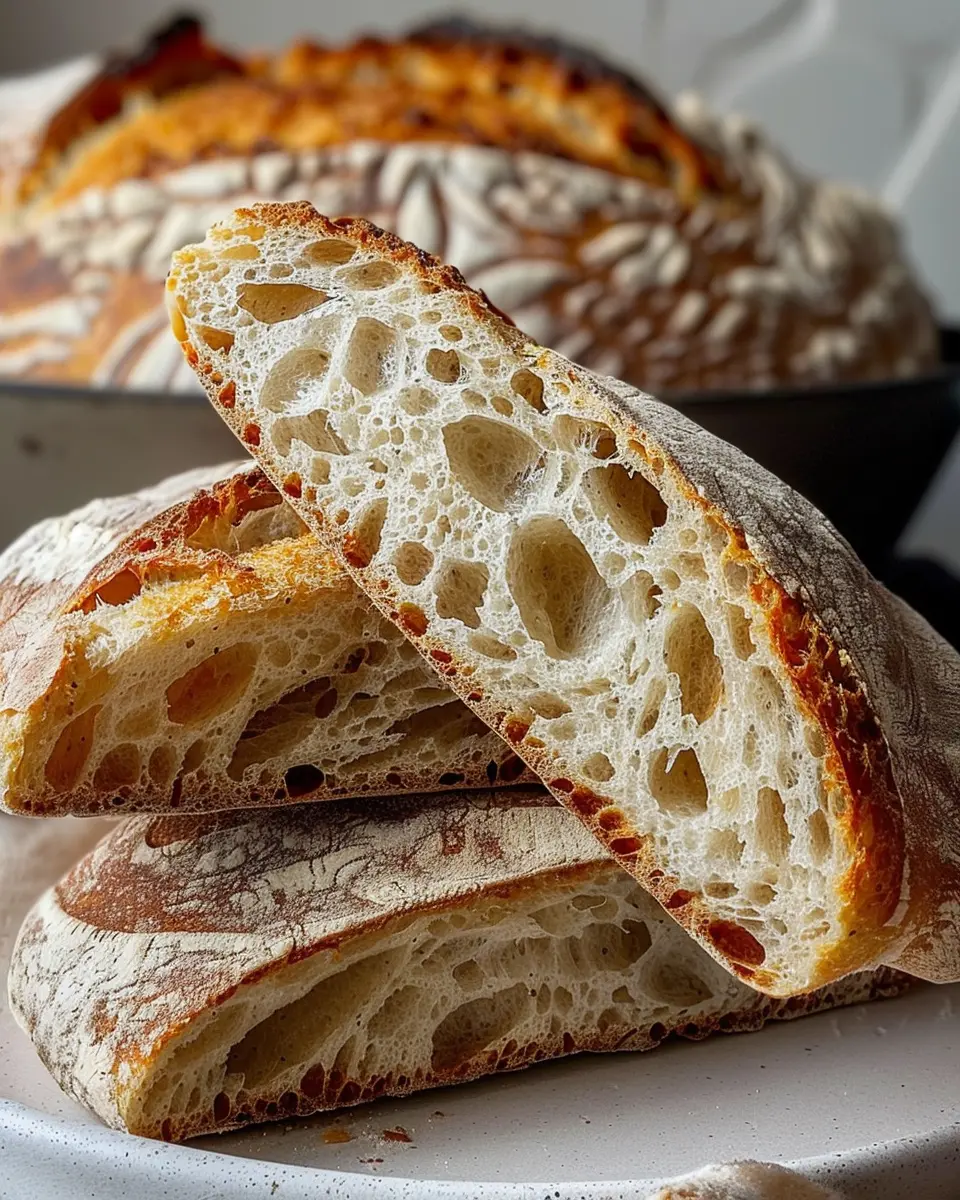
Ingredients for Sourdough Bread
When diving into the art of making sourdough bread, it’s essential to start with the right ingredients. Let’s break it down:
Essential ingredients for your sourdough starter
Your sourdough starter is the heart of your bread. To cultivate a lively starter, you’ll need:
- All-purpose flour: This type provides a good balance of protein, which contributes to gluten formation.
- Water: Use filtered or dechlorinated water to ensure a healthy fermentation process. Room temperature is ideal.
- Time and patience: While not an ingredient in the traditional sense, the 5-7 days of nurturing your starter is crucial to develop those rich flavors.
What flour works best for sourdough?
Flour choice can significantly impact the resulting loaf. For the best sourdough bread:
- Bread flour: This flour has a higher protein content, which aids gluten development and creates chewiness.
- Whole wheat flour: Adding a bit of this can enhance flavor and nutrition, giving your bread depth.
As you experiment, consider blending different flour types to find your favorite combination. For a deeper understanding of flour varieties, check out resources from King Arthur Baking. Happy baking!
Preparing Sourdough Bread
Sourdough bread is more than just a loaf; it’s a process steeped in tradition, filled with delightful quirks and unique flavors. The journey from flour and water to a crusty, tangy masterpiece is an experience worth savoring. Let’s break down the steps to prepare this delicious bread, so you can impress your friends and family with your newfound skills.
Combine flour and water to form a shaggy dough
The first step in your sourdough adventure begins with a simple yet fundamental mixture. Grab your favorite bread flour (or a mix that you enjoy) and combine it with water in a mixing bowl. You want to achieve a shaggy dough — think of it as the playful, slightly messy stage before the bread finds its true form.
- Use about 3 cups of flour to 1 ¼ cups of water, but feel free to adjust based on your flour type and humidity levels.
- Stir with a wooden spoon or your hands until the flour absorbs the water completely.
Don’t worry if the dough looks a bit rough at this stage; it’s perfectly normal!
Let the dough rest – why this is crucial
Once you’ve got your shaggy dough, it’s time for a crucial component: the autolyse. This step allows the flour to fully hydrate, enhancing gluten development and flavor.
- Rest for about 30 minutes: Cover your bowl with a damp cloth or plastic wrap to retain moisture.
- Why it matters: Allowing the dough to rest enables enzymes in the flour to break down starches, yielding a better texture and taste in the final product. Plus, it saves you some arm work later!
Incorporate your active sourdough starter and salt
After the dough has rested, you can incorporate your active sourdough starter. If you’re new to sourdough, make sure your starter has been fed and bubbly — it should roughly double in size after feeding. Mix in a tablespoon of salt for flavor enhancements and improved structure.
- Use about ½ cup of starter for this recipe.
- Mix with your hands, pinching and folding until the starter and salt are fully integrated.
At this stage, you’ll start to feel and see the dough transform into a cohesive mixture, ready for your next step.
The magic of stretch and folds explained
Now for the fun part: the stretch and folds. This technique is key to developing strength in your dough without the need for heavy kneading.
- What to do: Every 30 minutes for the next couple of hours, grab one edge of the dough and stretch it upwards before folding it over itself. Rotate the bowl and repeat until you’ve come full circle.
- Why it works: This method helps align gluten strands without expending as much energy, resulting in a beautifully airy loaf. Over 3 to 4 hours, aim to complete this process about 4-6 times.
How to shape and proof your sourdough loaf
With your dough fully developed, it’s now time to shape it into a lovely loaf.
- Shape it: Lightly flour your work surface and turn out the dough. With floured hands, gently stretch it into a rectangle, then fold the edges towards the center.
- Final shape: Flip it over, seam side down, and use your hands to create a taut surface.
Next, place your formed loaf into a proofing basket or bowl lined with a floured kitchen towel. Let it rest again for an hour or two, or until it puffs up nicely. During this time, you might want to consider preheating your oven with a heavy Dutch oven inside to create a mini steam chamber for baking.
Embrace the art of sourdough bread-making. After following these steps, you’ll be ready to place your loaf in the oven and enjoy the well-deserved fruits of your labor. Remember, practice makes perfect, so don’t shy away from experimenting with different flours or hydration levels. For further insights on sourdough techniques, you can find great resources like King Arthur Baking or The Perfect Loaf. Happy baking!
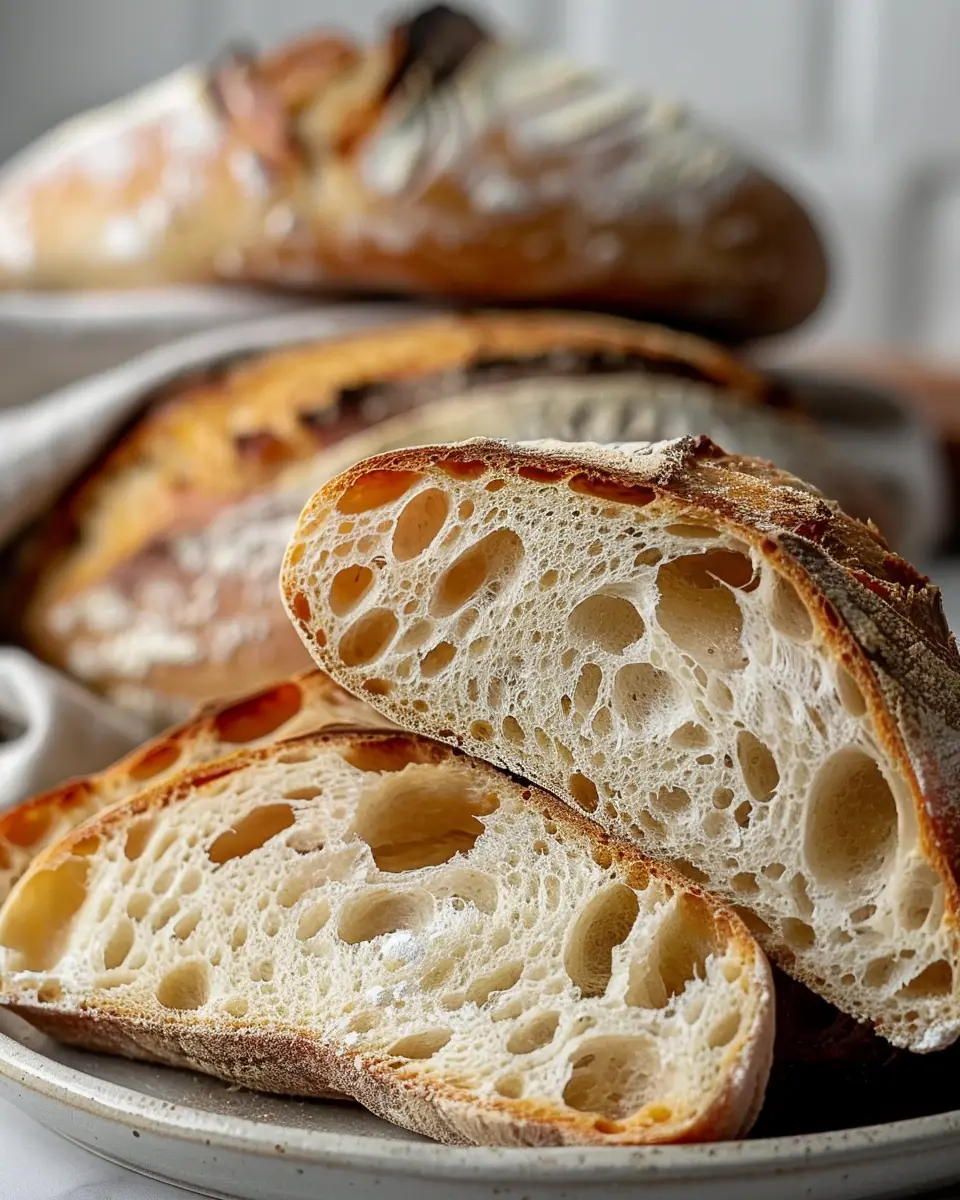
Variations on Sourdough Bread
Adding herbs or spices for a twist
When you’re making your sourdough bread, why not take it up a notch by adding some herbs or spices? Fresh rosemary or thyme can bring a delightful aroma and flavor to your loaf. Alternatively, a blend of Italian herbs like oregano, basil, and garlic powder can create a savory twist that’s perfect for alongside pasta dishes. Just mix in about one or two tablespoons of your chosen herbs into the dough during the initial mixing phase.
If you’re feeling adventurous, why not experiment with some spice? A teaspoon of smoked paprika or cayenne can add an unexpected kick. Plus, adding ingredients like sunflower seeds or flaxseed not only enhances the flavor but also boosts the nutritional value!
Incorporating whole grains for health
Looking to make your sourdough bread even more nutritious? Incorporating whole grains is a fantastic way to achieve that. Using whole wheat flour instead of all-purpose flour will increase the fiber content, which is great for digestion. You can also mix in other grains like rye or spelt to create a rich, nutty flavor.
Consider using a blend of flours—50% all-purpose and 50% whole grain—to keep that classic sourdough texture while still reaping the health benefits of whole grains. For even more nutritional power, throw in some oats or bran flakes to enhance the texture and flavor.
By adding these simple variations, you can create a sourdough masterpiece that’s not only delicious but also packed with nutrients. Plus, who doesn’t love a loaf that’s both wholesome and satisfying? For more tips on thriving with whole grains, check out Whole Grains Council. Happy baking!
Baking Notes for Sourdough Bread
The Importance of a Dutch Oven
When it comes to baking sourdough bread, using a Dutch oven can be a game changer. This heavy, enclosed pot traps steam while your bread bakes, mimicking the humidity of traditional steam ovens. If you don’t have one, consider investing in this multifunctional kitchen essential. It helps achieve that sought-after crust while ensuring even heat distribution during baking. Don’t forget to preheat your Dutch oven for about 30 minutes to get the best results!
Tips for Achieving That Perfect Crust
To create that irresistible, crispy crust on your sourdough bread, try these simple tricks:
- Use high-quality flour: Opt for bread flour or a mix that’s rich in protein.
- Bake with steam: If you’re not using a Dutch oven, place a pan of hot water at the bottom of your oven during baking to generate steam.
- Score your bread: This helps release steam properly and lets the dough expand, creating beautiful patterns.
Ready to impress your friends with your superb sourdough baking skills? For more detailed tips, explore expert sources like King Arthur Baking or The Perfect Loaf. Happy baking!

Serving suggestions for Sourdough Bread
What to pair with your sourdough
When it comes to enjoying sourdough bread, the possibilities are endless! Start with a classic: a simple spread of creamy butter or tangy cream cheese can elevate your loaf. For a heartier option, try topping with Turkey Bacon and a poached egg for a satisfying brunch treat. If you’re feeling adventurous, create an open-faced sandwich with fresh avocado, sliced Chicken Ham, and a sprinkle of chili flakes for a delightful crunch. Pair your sourdough with a homemade soup or salad for complete meal satisfaction. You might even consider a light, refreshing lemonade to cleanse your palate!
Creative uses for leftover sourdough bread
Let’s talk leftovers! Instead of tossing away stale sourdough bread, consider transforming it into something delicious. Use it for making chunky croutons to add texture to your salads (check out this easy crouton recipe). Alternatively, transform it into a savory bread pudding or French toast for a comforting breakfast the next day. You can even blend it into breadcrumbs for a flavorful crust on baked chicken or beef dishes. Remember, every bit of sourdough adds character to your meals, so let your imagination run wild!
Tips for Making Perfect Sourdough Bread
How to Know When Your Dough is Ready
The perfect sourdough bread starts with the right dough texture. One reliable method to determine if your dough is ready for shaping is the “poke test.” Simply poke the dough with your finger; if it springs back slowly and leaves a slight indentation, it’s ready. If it densily collapses or doesn’t hold a shape at all, give it more time to rise.
Creating a consistent environment is crucial too—consider investing in a dough thermometer to monitor temperatures. Dough that’s too cold will slow fermentation, while overly warm dough can lead to overproofing. For further guidance, you can check this comprehensive sourdough fermentation guide.
Troubleshooting Common Sourdough Issues
Even seasoned bakers face challenges with sourdough bread. Here are a few common issues and their fixes:
- Dough Too Sticky: If your dough is overly sticky during shaping, sprinkle in a bit more flour, but be cautious not to add too much, which can make your bread dense.
- Dense Loaf: A heavy loaf often results from under-kneading or insufficient fermentation. Make sure you’re giving adequate time to both rise and develop flavor.
- Crust Too Hard: If your crust is too tough, consider reducing baking time or using a steam pan during the first half of baking to create a tender crust.
Baking sourdough can be a true labor of love. But with practice, patience, and these tips, you’ll create loaves that impress not just yourself but also anyone fortunate enough to share in the deliciousness!
Time details for Sourdough Bread
When diving into the delicious world of sourdough bread, understanding the timing involved can make your baking experience so much smoother. Here’s a breakdown of the essential time components to keep in mind:
Preparation Time
Getting your ingredients together and mixing the dough will take about 30 minutes. This doesn’t include the time spent nurturing your sourdough starter, which should ideally be fed and bubbly before you begin.
Proofing Time
The real magic happens during proofing. Allow your dough to rise for approximately 4 to 12 hours at room temperature. If you want a more complex flavor, you can also let it refrigerate overnight—talk about a delicious depth!
Baking Time
Finally, you’ll want to bake your sourdough bread for about 30 to 45 minutes. Keep an eye on that golden crust; it’ll be your best indicator of readiness. For an extra crispy finish, try placing a pan of water in the oven to create steam!
Baking sourdough bread isn’t just about measuring ingredients; it’s about patience and timing. For more insights, check out King Arthur Baking for tips on perfecting your loaf. Happy baking!
Nutritional Information for Sourdough Bread
When you’re crafting or enjoying sourdough bread, knowing its nutritional profile can help you make informed choices.
Calories
A typical slice of sourdough bread contains about 70 to 80 calories. This isn’t too heavy, making it a nice basis for a variety of meals.
Carbohydrates
Packed with around 15 grams of carbohydrates per slice, sourdough bread provides a great energy boost. It’s worth noting that the fermentation process makes these carbs easier to digest compared to conventional bread.
Protein
You’ll find about 2 to 3 grams of protein per slice of sourdough bread. It may not be a protein powerhouse, but it pairs well with other protein sources like turkey bacon or chicken ham to create a balanced meal.
For more nutritional insights, websites like the USDA FoodData Central can provide detailed breakdowns on different types of sourdough bread and their health benefits. Incorporating this delightful bread into your diet can certainly be a tasty and nutritious choice!
FAQs about Sourdough Bread
How do I store sourdough bread for freshness?
Keeping your homemade sourdough bread fresh is essential to enjoy its delightful crust and tender crumb. The best method? Wrap your bread in a clean kitchen towel and place it in a bread box. This maintains a balance between humidity and airflow, preventing the bread from becoming too dry or too soggy.
If you need longer-term storage, slice the sourdough bread and freeze it in an airtight bag. When you’re ready to enjoy it, simply toast the slices straight from the freezer!
Can I use all-purpose flour instead of bread flour?
Absolutely! While bread flour contains more protein, which contributes to a chewier crust and improved rise, using all-purpose flour can still yield delicious sourdough bread. Many home bakers enjoy the tender texture all-purpose flour provides. A blend of both flours can also work wonders if you want to experiment.
What if my sourdough starter is not rising?
A sourdough starter that isn’t rising can be frustrating, but don’t worry! First, ensure you’re feeding it regularly with equal parts flour and water. Ideally, keep it in a warm, draft-free spot—around 75–80°F. If it’s still sluggish, try switching to a different flour type or adjusting your feeding schedule. Sometimes, a little patience is all your starter needs!
For specific tips on maintaining a healthy starter, consider checking out resources from King Arthur Baking or The Fresh Loaf—they’re hubs of sourdough wisdom!
By following these tips, you’ll be well on your way to mastering sourdough bread and making baking a joyous part of your routine. Happy baking!
Conclusion on Sourdough Bread
Embrace the art of making sourdough at home!
Making sourdough bread is not just about baking; it’s about engaging with a time-honored tradition that connects us to the past. With just a few ingredients and a little patience, you can create a loaf that’s not only delicious but also rewarding. Imagine the aroma wafting through your kitchen as you pull a fresh loaf from the oven!
Don’t shy away from the process; consider it a meditative practice. Each rise, each fold, and each bake teaches you something new. For more tips on improving your baking skills, you can check out resources like The Bread Lab or King Arthur Baking. So grab your starter, get your hands a bit messy, and savor the joys of homemade sourdough!
PrintSourdough Bread: The Best Homemade Loaf You’ll Ever Make

A detailed guide on how to make the best homemade sourdough bread.
- Prep Time: 30 minutes
- Cook Time: 45 minutes
- Total Time: 4 hours 15 minutes
- Yield: 1 loaf 1x
- Category: Bread
- Method: Baking
- Cuisine: American
- Diet: Vegetarian
Ingredients
- 1 cup sourdough starter
- 1 1/2 cups warm water
- 5 cups bread flour
- 2 teaspoons salt
Instructions
- In a large bowl, mix the sourdough starter and warm water until combined.
- Add the bread flour and salt; mix until it forms a dough.
- Knead the dough for 10 minutes until smooth.
- Cover and let it rise for about 4 hours or until doubled in size.
- Shape the dough and place it in a proofing basket; cover and allow to rise again for 2 hours.
- Preheat the oven to 450°F (230°C) with a Dutch oven inside.
- Carefully place the dough into the hot pot, cover, and bake for 30 minutes.
- Uncover and bake for an additional 15 minutes until golden brown.
Notes
- Ensure your sourdough starter is active and bubbly before using.
- Let the bread cool completely before slicing for best texture.
Nutrition
- Serving Size: 1 slice
- Calories: 120
- Sugar: 0.5g
- Sodium: 150mg
- Fat: 0.5g
- Saturated Fat: 0g
- Unsaturated Fat: 0g
- Trans Fat: 0g
- Carbohydrates: 25g
- Fiber: 1g
- Protein: 3g
- Cholesterol: 0mg
Keywords: Sourdough Bread, Homemade Bread, Baking